If you’ve ever searched online for what strength training routine should you be doing at 50, you’ve probably come away with more questions than answers.
Some experts say you should lift heavy weights several times a week. Others recommend sticking to light dumbbells or resistance bands. Social media is full of fitness influencers promoting intense workouts, while countless articles warn against exercises that might be “too risky” after 50.
With so much conflicting advice, it’s easy to feel overwhelmed.
The reality is that there isn’t one perfect strength training routine for every 50-year-old. Your ideal program depends on your current fitness level, health history, previous exercise experience, available time, and personal goals.
A routine that helps one person build muscle may not be appropriate for someone recovering from an injury or just starting their fitness journey.
The good news is that effective strength training after 50 doesn’t have to be complicated. The most successful routines are built on proven principles—not trendy workouts or quick fixes.
Whether your goal is to build muscle, stay independent, improve bone health, or simply feel stronger during everyday activities, this guide will help you cut through the confusion.
You’ll learn how often to strength train, which exercises deserve the most attention, how much exercise you really need each week, and how to progress safely as your fitness improves.
By the end of this article, you’ll have a clear answer to the question, “What strength training routine should you be doing at 50?”
Why Strength Training After 50 Doesn’t Have to Be Complicated
One reason so many people struggle to stay consistent with strength training is that they believe they need the “perfect” workout plan before they begin.
In reality, most effective strength training routines share the same core principles. The differences are usually in the details—such as the exercises you choose, the amount of weight you lift, and how often you train.
Instead of chasing every new fitness trend, focus on building a routine around the fundamentals that have consistently been shown to improve strength, preserve muscle, and support healthy aging.
The Biggest Myths About Strength Training at 50
Before answering what strength training routine should you be doing at 50, it’s worth clearing up a few common misconceptions.
Myth: You’re Too Old to Build Muscle
One of the biggest myths is that muscle growth stops after 50.
While it’s true that muscle mass naturally declines with age—a process known as sarcopenia—your muscles still respond to resistance training.
Numerous studies have shown that adults in their 50s, 60s, and beyond can gain strength, build muscle, and improve physical function with a well-designed training program.
In other words, age changes how you train, not whether you can make progress.
Myth: You Should Only Lift Light Weights
Many people assume lifting heavy weights is unsafe after 50.
In reality, the right amount of resistance depends on your current ability—not your age.
If a weight challenges you to put in a maximum effort while still allowing you to maintain good form, it will stimulate muscle growth and strength gains.
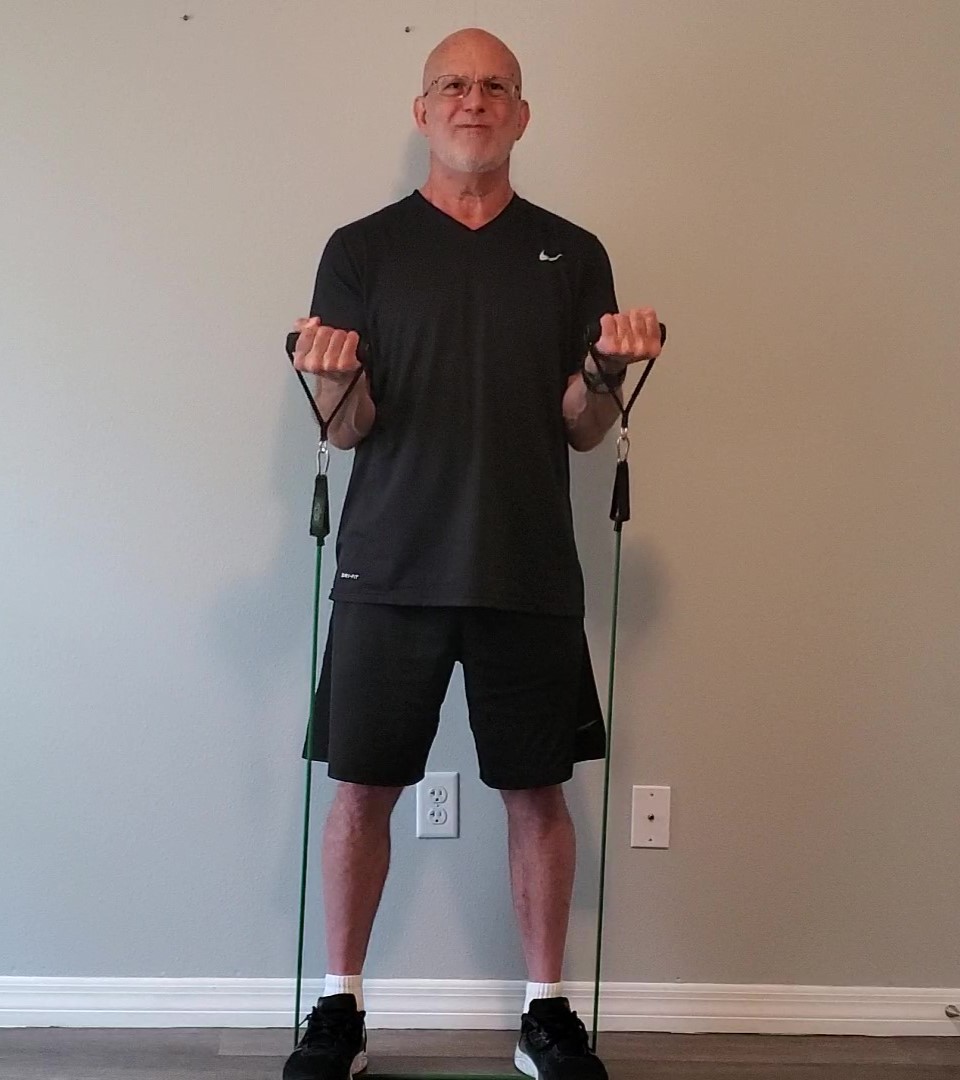
For some people, that may be resistance bands. For others, it could be barbells or dumbbells. The form of resistance doesn’t matter—it’s lifting safely while gradually increasing the challenge over time.
Myth: Cardio Is More Important Than Strength Training
Walking, cycling, swimming, and other forms of cardiovascular exercise are excellent for your heart, but they can’t fully replace resistance training.
Strength training helps preserve lean muscle, maintain bone density, improve balance, increase metabolism, and make everyday activities easier.
A balanced fitness routine includes both cardio and strength work, but after 50, resistance training deserves a central role.
Myth: Joint Pain Means You Should Avoid Strength Training
Many adults worry that strength training will make aching joints worse.
In many cases, the opposite is true.
When performed with proper technique, strength training helps support the muscles around your joints, improves stability, and enhances mobility.
While persistent pain should always be discussed with a healthcare provider, avoiding exercise altogether often leads to further weakness and reduced function.
Why Generic Workout Plans Often Fall Short
If you’ve downloaded a workout plan from the internet only to quit after a few weeks, you’re not alone.
Generic routines often fail because they assume everyone starts at the same fitness level.
Some people have decades of lifting experience, while others are picking up dumbbells for the first time. Some have arthritis or previous injuries. Others have limited time to exercise during the week.
The best strength training routine is one that’s designed around your unique situation, including:
- Your current strength and mobility
- Previous exercise experience
- Existing injuries or medical conditions
- Available equipment
- Weekly schedule
- Recovery ability
- Personal fitness goals
Rather than copying someone else’s program, choose a workout program that fits your body and your lifestyle.
The Simple Principles Every Effective Strength Training Routine Shares
Although specific exercises may vary, every successful strength training routine after 50 includes the same essential elements.
It emphasizes movement patterns that work multiple muscle groups at once, such as lower body push, upper body push, upper body pull, etc.
It trains all the major muscle groups rather than focusing on isolated body parts.
It includes progressive overload, gradually increasing the challenge over time so your muscles continue adapting.
It allows enough recovery between sessions to support muscle repair and reduce injury risk.
Most importantly, it’s consistent. A simple program you follow every week will produce far better results than an advanced routine you abandon after a month.
How Much Strength Training Should You Do at 50?
One of the most common follow-up questions after asking what strength training routine should you be doing at 50 is how often you should actually train.
Fortunately, you don’t need to spend hours in the gym every day to see meaningful results.
For most adults, two well-planned, full-body strength training sessions each week provide an excellent foundation for building muscle, maintaining bone health, and improving functional fitness.
Aim for Two Strength Training Sessions Per Week
For the majority of older adults, training two non-consecutive days each week is enough to stimulate muscle growth, while allowing adequate recovery.
Spacing workouts two to three days apart — for example, Monday and Thursday, Tuesday and Friday, etc. — gives your muscles time to repair and become stronger before the next session.
If you’re new to strength training, consistency matters far more than frequency.
Focus on Full-Body Workouts
Rather than training separate muscle groups on different days, most adults over 50 benefit from full-body workouts.
Each session should include exercises that target:
- Hips and Legs
- Chest
- Back
- Shoulders
- Core
- Arms
Full-body routines are time-efficient, improve functional strength, and provide each muscle group with multiple opportunities to grow throughout the week.
Prioritize Compound Exercises
If you’re wondering what strength training routine should you be doing at 50, start with exercises that deliver the greatest return on your time.
Compound movements recruit several muscle groups simultaneously, while avoding overtraining and burnout.
Excellent choices include:
- Squats or Leg Presses
- Chest presses
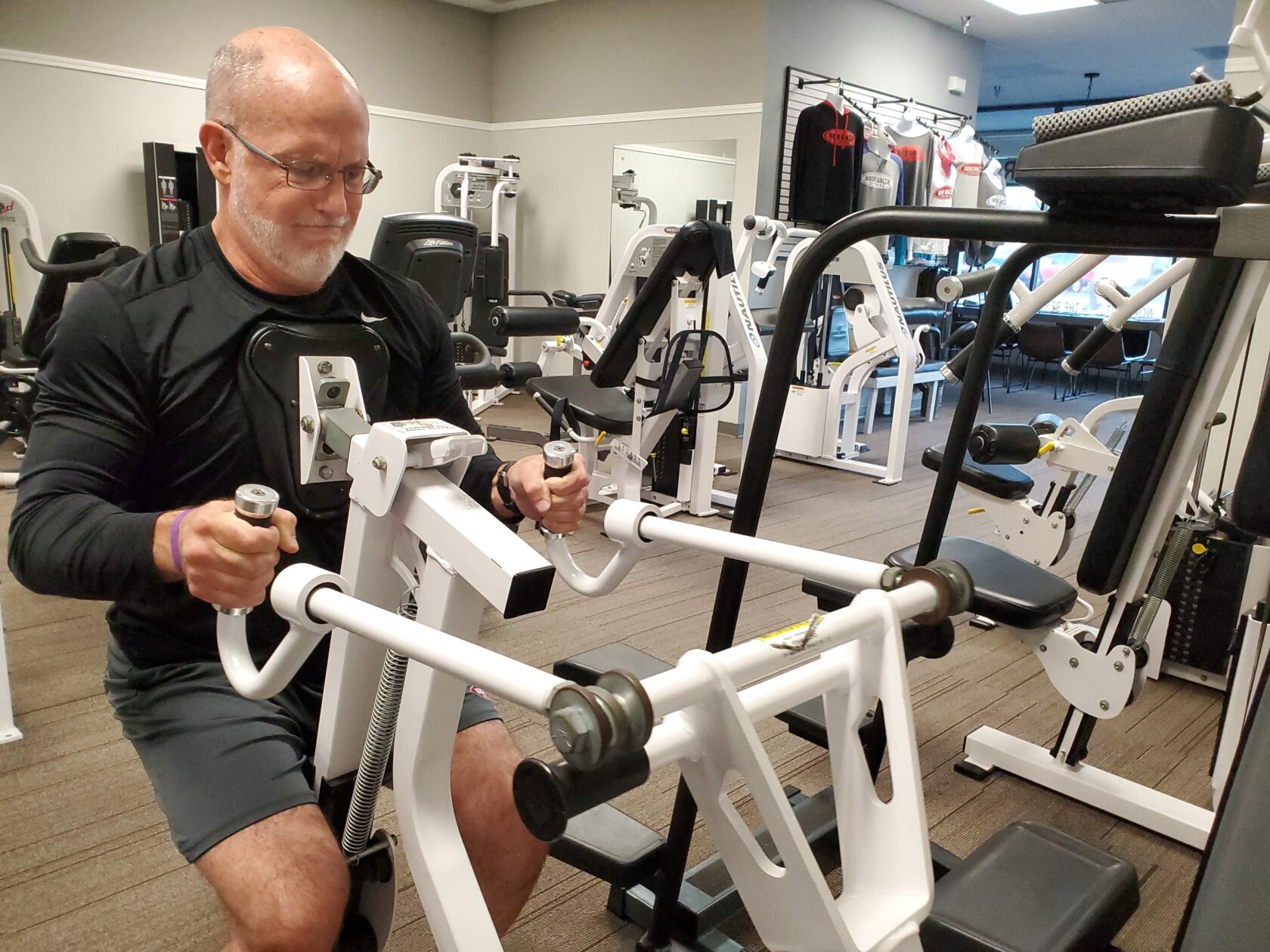
- Rows
- Overhead presses
- Lat pulldowns or assisted pull-ups
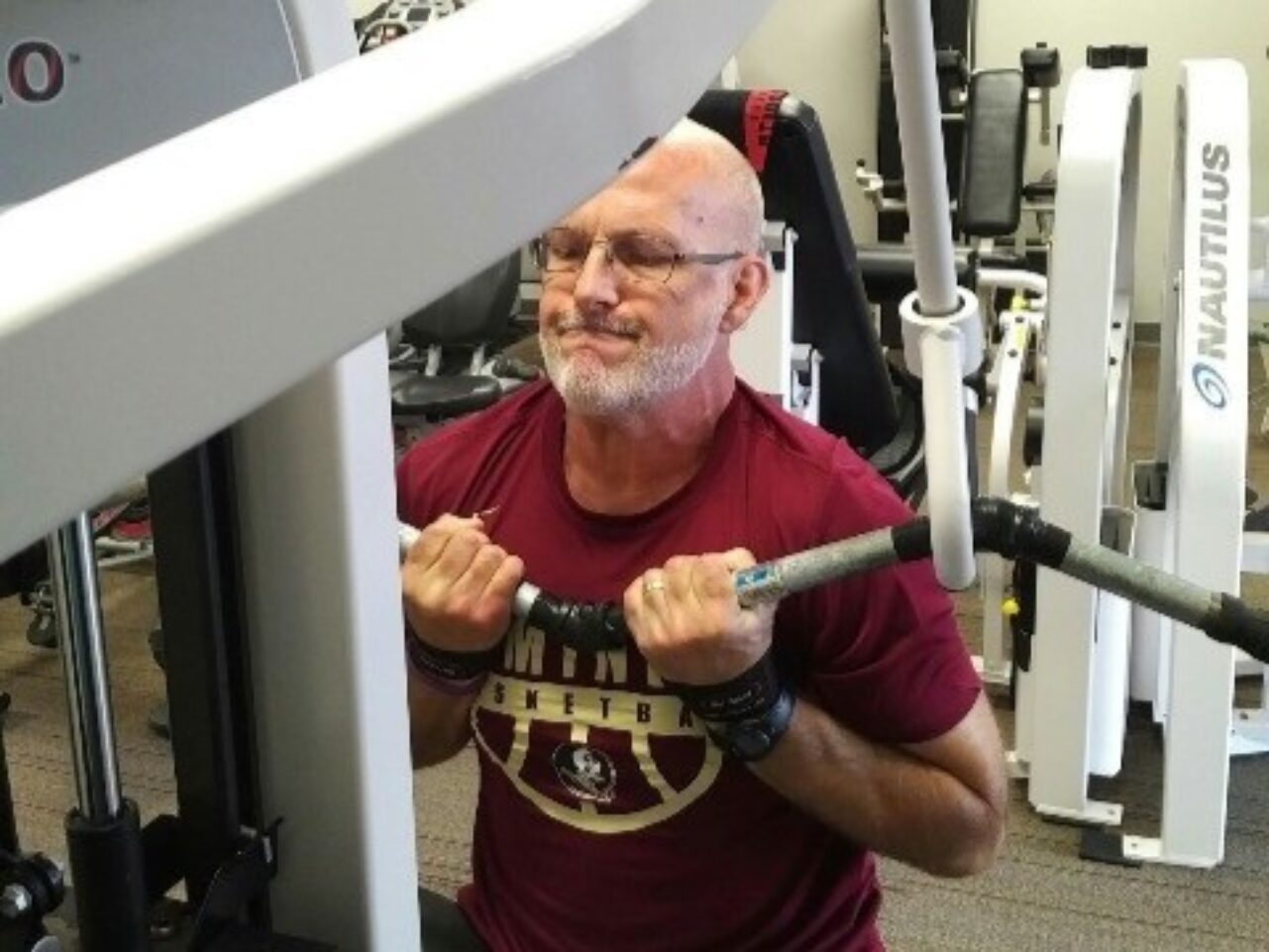
These exercises build functional strength, helping you stay strong for a full, active life.
Don’t Neglect Recovery
Strength gains happen during recovery—not while you’re lifting.
Make sleep, hydration, nutrition, and rest days part of your training plan.
If you’re consistently sore, unusually fatigued, or struggling to complete workouts with good form, your body may be telling you it needs more recovery before increasing your workload.
Build a Routine You Can Stick With
The best answer to what strength training routine should you be doing at 50 isn’t the most complex program—it’s the one you’ll follow consistently.
A balanced routine that combines full-body strength workouts two times each week, gradual progression, proper recovery, and safe exercises you enjoy will deliver far better long-term results than constantly switching programs in search of the “perfect” workout.
Over time, those consistent efforts will help you build strength, preserve muscle, improve mobility, and support healthy aging for decades to come.
How to Build the Right Strength Training Routine at 50
Once you understand the fundamentals of strength training, the next step is putting them into practice.
The good news is that you don’t need an elaborate workout split or hours in the gym to build strength after 50.
In fact, the opposite is true – a simple, well-balanced routine performed only twice a week will be much more effective.
If you’re still wondering what strength training routine should you be doing at 50, think of your workout as a collection of essential movement patterns rather than a list of isolated exercises.
Your goal is to train your entire body, challenge your muscles consistently, and recover well enough to make steady progress.
Step 1: Choose Which Days You Can Realistically Train
Before selecting exercises, decide which days of the week you can consistently dedicate to strength training.
For adults over 50:
- Aim for 2 days per week, spaced 2-3 days apart.
- You can strength train the same days of the week every week, or Just wait 2-3 days after each workout before you work out again.
- If you have an extra busy week, just change your workout days accordingly. Never be afraid to take an extra rest day.
Avoid building a routine around what you hope you’ll do. Instead, build it around what you can realistically maintain for months—not just a few weeks.
Consistency beats perfection every time.
Step 2: Base Every Workout Around Movement Patterns
The most effective strength training routines prioritize compound exercises, which work multiple muscle groups at the same time.
These exercises improve functional strength, burn more calories, and make your workouts more efficient.
A balanced routine should include movements from these categories:
Lower-Body Push
Examples include:
- Squats
- Lunges
- Leg press
- Step-ups
These exercises strengthen your thighs, hips, and glutes while improving your ability to sit, stand, climb stairs, and maintain independence.
Lower-Body Flexion
Examples include:
- Leg curls
- Calf raises
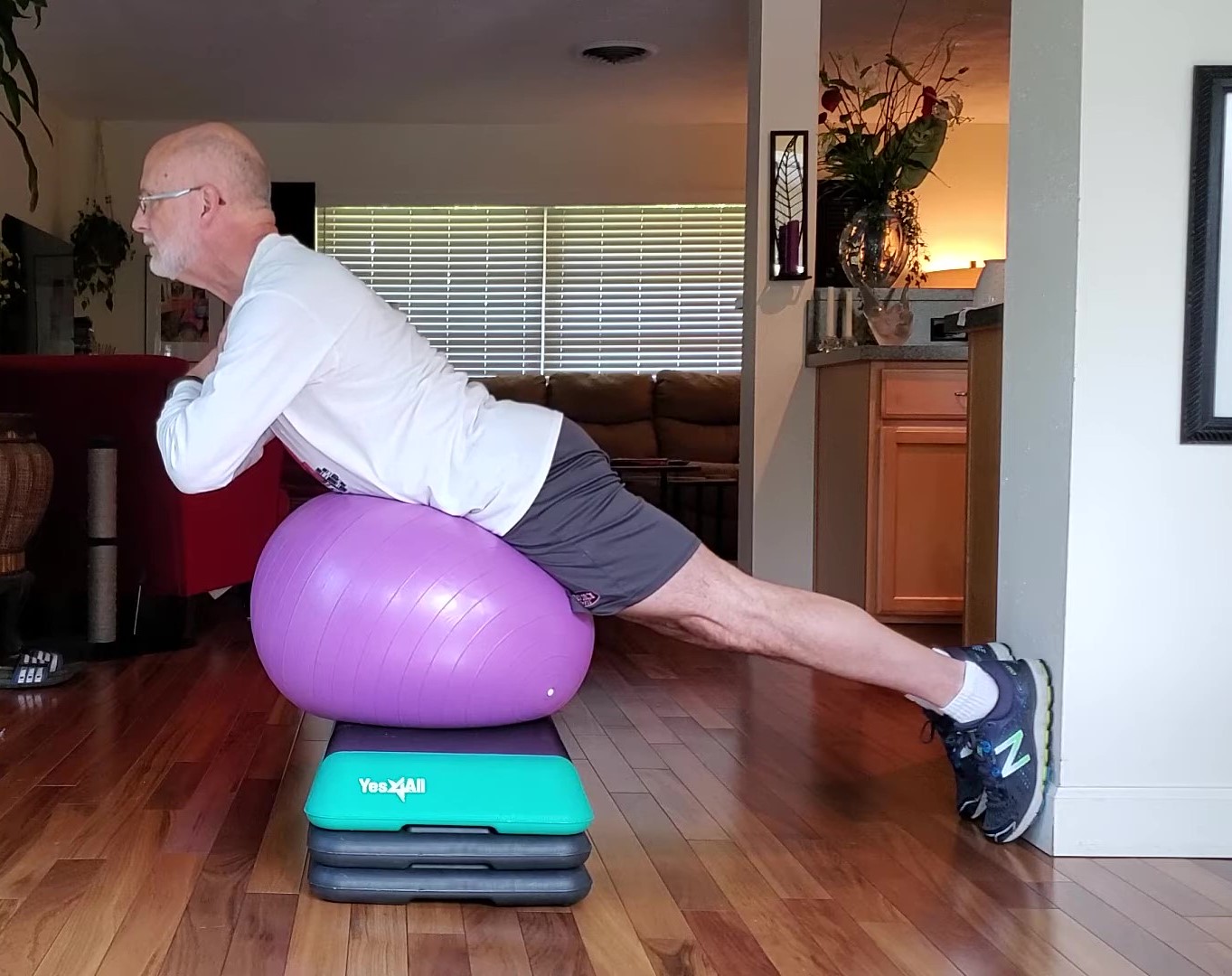
- Back extensions
These movements strengthen the posterior chain, muscles that often become weaker with age if they aren’t trained regularly.
Upper-Body Push
Examples include:
- Push-ups
- Incline press
- Chest press
- Overhead press
These exercises build strength for pushing movements used in everyday life.
Upper-Body Pull
Examples include:
- Seated rows
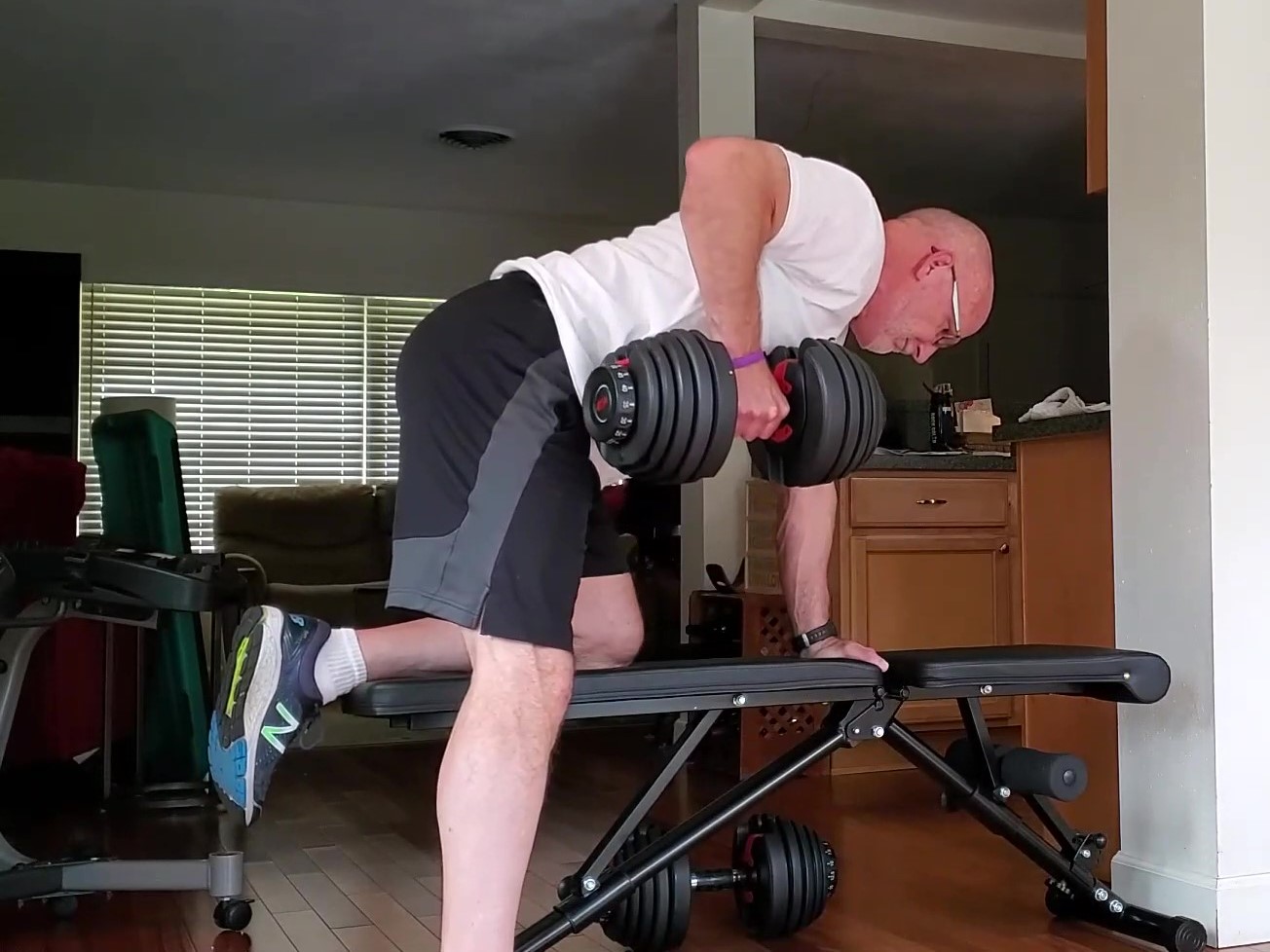
- 1-arm dumbbell rows
- Lat pulldowns
- Resistance band rows
Strong back muscles help improve posture, shoulder health, and overall upper-body strength.
Trunk Flexion/Extension
Focus on exercises that help your core stabilize your spine.
Good options include:
- Ab crunches
- Reverse crunches
- Abdominal bracing with leg thrusts
- Back extensions
A strong core improves balance, posture, and reduces the risk of low back injuries.
Step 3: Train Every Major Muscle Group
One mistake many people make is overtraining certain muscles while neglecting others.
It;s especially common to strength train what I call the “mirror muscles” – the muscles you can easily see in the mirror – while neglecting the back of the body.
A complete strength training routine should target:
- Legs
- Glutes
- Chest
- Back
- Shoulders
- Arms
- Core
Training your entire body promotes balanced muscle development and reduces the risk of muscular imbalances that can contribute to pain or injury.
Step 4: Use Progressive Overload
One of the most important principles of strength training is progressive overload.
Simply repeating the same workout with the same weight forever does not build strength, and eventually leads to a plateau.
To continue getting stronger, gradually increase the challenge over time.
You can do this by:
- Increasing the weight slightly
- Performing one or two additional repetitions
- Slowing the lowering (eccentric) phase of each repetition
- Using controlled movements to eliminate momentum
Small improvements made consistently produce significant gains over months and years.
Step 5: Schedule Recovery Like a Workout
Many people think muscles grow during a workout.
In reality, muscles grow during recovery.
After 50, adequate recovery becomes even more important, because the body’s repair processes naturally slow with age.
Support your recovery by:
- Sleeping seven to nine hours each night
- Eating enough protein throughout the day
- Staying hydrated
- Taking at least two rest days between full-body strength sessions
- Including light movement on recovery days
Walking, stretching, yoga, or gentle cycling can help reduce stiffness while promoting blood flow to recovering muscles.
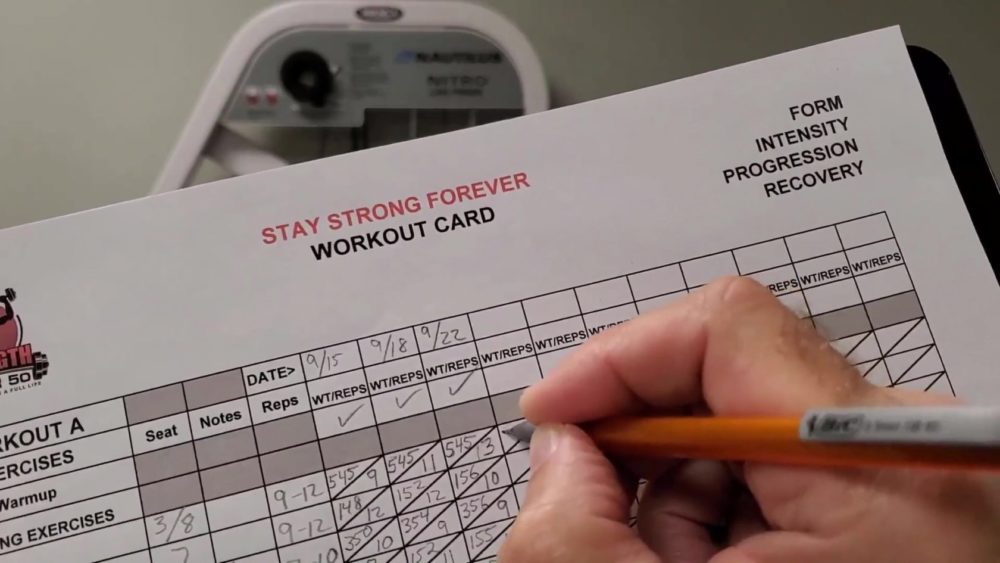
Step 6: Track Your Progress
If you don’t measure progress, it’s difficult to know whether your routine is working.
Keep a simple workout journal or use a fitness app to record:
- Exercises performed
- Weight used
- Sets and repetitions
- Notes on anything that affected your performance
Tracking your workouts helps you recognize improvements that aren’t always visible in the mirror. this helps keep you motivated over the long haul.
You may notice you’re lifting heavier weights, performing more repetitions, or moving with better technique—all signs that your body is getting stronger.
How Your Strength Training Routine Should Change as You Get Stronger
One of the biggest mistakes people make after finding a workout that works is never changing it.
If you’re asking what strength training routine should you be doing at 50, remember that the answer today may be slightly different six months from now.
As your strength improves, your training should evolve with you.
Increase the Challenge Gradually
There’s no need to double your weights overnight.
A better approach is making small, sustainable increases whenever your current workload gets easier.
For example, if you can easily complete all of your planned repetitions while maintaining perfect form, it’s time to increase the resistance slightly.
Gradual progression keeps your muscles adapting while minimizing injury risk.
Add Variety Without Constantly Changing Programs
Some people switch workout routines every few weeks because they’re worried their muscles will “get used to” the exercises.
In reality, frequent program hopping often slows progress because you never become proficient at the movements.
Instead of replacing your entire routine, make small adjustments within each movement pattern, such as:
- Changing from leg presses to lunges
- Using dumbbells instead of machines for chest presses
- Adjusting your repetition range on calf raises from 9-12 to 12-15
- Adding a 10-second eccentric contraction on the last rep of your set
- Changing from cable rows to 1-arm dumbbell rows
These subtle changes keep training interesting, while preserving the consistency that drives results.
Learn to Listen to Your Body
Getting stronger doesn’t mean ignoring discomfort.
There’s an important difference between challenging muscles and experiencing pain.
Temporary muscle soreness is normal.
Sharp joint pain, persistent swelling, or discomfort that worsens during exercise is not.
Pay attention to your body’s signals and modify exercises when needed. Long-term consistency is far more valuable than pushing through pain for a single workout.
Reassess Your Goals Every Few Months
The strength training routine that helps you begin exercising may not be the same routine that helps you continue progressing.
Every three to six months, ask yourself:
- Am I getting stronger?
- Am I enjoying my workouts?
- Have my goals changed?
- Is my recovery still good?
- Do I need more challenge or more rest?
Making thoughtful adjustments helps keep your workouts aligned with your current fitness level.
Remember That Success Is Measured Over Years, Not Weeks
Many people think they can strength train and take months at a time off on a seasonal basis.
Strength training doesn’t work that way.
Building and maintaining strength and muscle mass is a use-it-or-lose-it deal. The greatest benefits come from years of steady effort.
If you consistently lift weights, gradually increase the challenge, recover well, and stay active, you’ll enjoy stronger muscles, healthier bones, better balance, improved mobility, and greater independence as you age.
Ultimately, the best answer to what strength training routine should you be doing at 50 is one that evolves alongside your body.
Build a solid foundation, progress patiently, and focus on consistency rather than perfection. Those habits—not the latest fitness trend—are what lead to lasting strength and healthy aging.
Conclusion
If you’ve been asking yourself, “What strength training routine should you be doing at 50?”, the answer is probably much simpler than you’ve been led to believe.
You don’t need an extreme workout program, expensive equipment, or endless hours in the gym to get stronger.
You also don’t need to follow the latest fitness trend, or copy the routine of someone who has completely different goals and experience.
Instead, focus on the fundamentals.
Aim to strength train two or times each week using exercises that work all the major muscle groups.
Prioritize compound movements like squats, rows, presses, and pulldown variations.
Gradually increase the challenge as you become stronger, while giving your body the recovery it needs to adapt and grow.
Remember that strength training is just one part of an active lifestyle. Pair it with regular cardiovascular exercise, mobility work, quality sleep, good nutrition, and daily movement to support your overall health and independence.
Perhaps the most important lesson is that consistency matters far more than perfection.
The “best” strength training routine isn’t the most advanced one—it’s the one you’ll actually follow week after week.
Whether you’re new to resistance training or returning after time away, it’s never too late to become stronger.
With patience, progressive overload, and realistic expectations, you can build muscle, improve bone health, increase confidence, and make everyday tasks easier well into your 50s, 60s, and beyond.
So, what strength training routine should you be doing at 50?
The one that’s balanced, sustainable, and tailored to your current fitness level—and the one you’ll still be doing 5 years from now.
Frequently Asked Questions
What strength training routine should you be doing at 50?
For most adults, the ideal routine includes two full-body strength training sessions each week.
Each workout should target all the major muscle groups in basic movement patterns such as lower body push, lower body flexion, upper body push, upper body pull, and trunk flexion/extension.
Pair these sessions with adequate recovery, progressive overload, and regular cardiovascular exercise for the best long-term results.
Can you build muscle after 50?
Yes. While muscle growth naturally slows with age, it’s absolutely possible to build muscle after 50.
Regular resistance training, eating enough protein, and allowing sufficient recovery can help increase muscle mass and strength well into later life.
Many people continue making meaningful progress in their 60s, 70s, and beyond.
How many days a week should a 50-year-old lift weights?
Most people over 50 benefit from lifting weights two non-consecutive days per week.
This schedule provides enough training stimulus to build strength while allowing muscles and joints adequate time to recover between workouts.
More experienced exercisers may need less frequent workouts, to ensure they’re recovering well and balancing training volume appropriately.
Should a 50-year-old lift heavy weights?
Yes—but “heavy” is relative to your individual strength and experience.
The goal is to use a weight that requires a maximum effort while allowing you to maintain proper technique throughout each set.
As your strength improves, gradually increasing the resistance helps stimulate muscle growth, maintain bone density, and improve functional fitness.
If you’re new to strength training, start with lighter weights to learn correct form before progressing.
Is it better to use machines or free weights after 50?
Both can be effective.
Weight machines provide stability and may feel less intimidating for beginners, making them a good option for learning movement patterns.
Free weights, such as dumbbells, are more versatile and allow more freedom of movement.
Many well-rounded strength training routines include a combination of both.
What are the best strength training exercises after 50?
Some of the most effective exercises include:
- Squats or leg presses
- Calf raises
- Lunges
- Chest presses
- Dumbbell or cable rows
- Overhead presses
- Lat pulldowns
- Ab crunches
- Back extensions
These exercises train multiple muscle groups and help improve strength for everyday activities.
How long should a strength training workout last?
Most effective workouts last 30 to 45 minutes.
If you’re short on time, even a well-designed 15-minute full-body workout can be highly effective, provided you’re focusing on quality compound exercises rather than unnecessary volume.
Is walking enough exercise after 50?
Walking is one of the best forms of cardiovascular exercise and offers many health benefits, including improved heart health, endurance, and mental well-being.
However, walking alone doesn’t provide enough resistance to preserve muscle mass and bone density as you age.
For the best results, combine regular walking with a structured strength training routine.
Should you do cardio before or after strength training?
If your primary goal is building strength and muscle, perform strength training first while your muscles are fresh.
It’s even better to separate strength and cardio into different sessions on different days to maximize performance and recovery.
How long does it take to see results from strength training?
You should see improvements in strength immediately, right from your very first workout.
Visible changes in muscle size and definition often take longer. Strength increases usually precede muscle size increases.
The key is staying consistent rather than expecting overnight results.
Do you need protein supplements after 50?
Not necessarily.
Many adults can meet their protein needs through whole foods such as lean meats, fish, eggs, dairy products, beans, lentils, tofu, and Greek yogurt.
Protein powders can be a convenient option if it’s difficult to consume enough protein through food alone, but they’re a supplement—not a requirement.
Can strength training help prevent osteoporosis?
Yes. Strength training is one of the most effective forms of exercise for supporting bone health.
Weight-bearing resistance exercises place healthy stress on bones, encouraging them to maintain or increase bone density over time.
Combined with adequate calcium, vitamin D, and overall healthy nutrition, strength training can play an important role in reducing the risk of osteoporosis and fractures.
What mistakes should people over 50 avoid when strength training?
Some of the most common mistakes include:
- Skipping warm-ups
- Using poor exercise technique
- Lifting too much weight too soon
- Avoiding progressive overload
- Neglecting recovery
- Ignoring mobility and flexibility
- Training inconsistently
- Comparing your progress to younger exercisers
Avoiding these pitfalls will help you stay healthy, reduce injury risk, and continue making steady progress for years to come.

8 Comments. Leave new
Good rundown. Two full body sessions a week with real recovery in between is the piece most people skip past looking for something more complicated.
One thing I’d add from my own experience. I didn’t start lifting seriously until my late 50s, after years of marathons and half Ironmans wore my joints down more than they built me up. Switching to strength training didn’t just change how I looked. It changed how I moved through the day. Carrying groceries, getting off the floor, keeping up with my dog. That stuff matters more at this age than anything you’ll see in a mirror.
The progressive overload point is the one people ignore most. I see guys my age doing the same three sets of ten they did five years ago and wondering why nothing’s changed. If it’s not getting harder in some small way, it’s not doing much for you anymore.
I wrote a book on this same shift, going from “I used to be active” to actually training again after 50. Not Done Yet, if the title’s crossed your path. Would genuinely like your take on it, coming from someone who does this for a living.
Appreciate the clear breakdown here. This is the kind of article I wish someone had handed me ten years ago.
Great insights John, thanks for sharing them. I will definitely check out your book!
Dave,
I just turned 70 and will be having hip replacement surgery. If you were in my place how would you begin strength training upon your doctors approval? Would bands be a good replacement for weights until I feel stable and confident?
Hi Don, great to hear from you but sorry you’re going through that. I’m assuming you’re talking about getting back into training after the surgery and after your doctor clears you, I hope I’m reading that right. If I remember right you’re training at home, so I think bands would be an excellent substitute for weights in the beginning. The problem with weights in a home gym setting is getting them into place to begin the exercise, that’s the part where something could go wrong and strain your new hip. For example doing seated bicep curls for upper body, you still have to get the dumbbells over to the bench, and that’s the part that can be problematic. but it’s easy to get bands safely into place for your exercises. And of course you’ll be avoiding direct exercises for your surgical hip until the doctor and physical therapist give you the green light.
Great blog Dave!
So true searching for the perfect workout when there is none. I always come back to your philosophy!! thanks for all your great info! Maybe one of these days I’ll give up looking for the latest greatest workout and just stick with yours!
Hi Jerry, glad you enjoyed the article – I’ll be here waiting whenever you’re ready to come home for good 😆
Being new to resistance training and a lot of weight to lose, would lighter weight one set to failure be appropriate to start? Thanks.
Hi Shawn, when you’re new to resistance training, starting with a lighter weight is appropriate, so you can learn how to perform the exercise properly, perfect your form, and determine the right weight for yourself moving forward. From that point, you want to start increasing the weight until you get to a point where completing a set takes a maximum effort.
Remember, lifting light weights is not a weight loss method. If your goal is to lose weight, that calls for lifting heavy weights to build muscle and increase your basal metabolic rate, reducing your calories, and staying active on your non-lifting days.
Best wishes for success with your training and weight loss!